
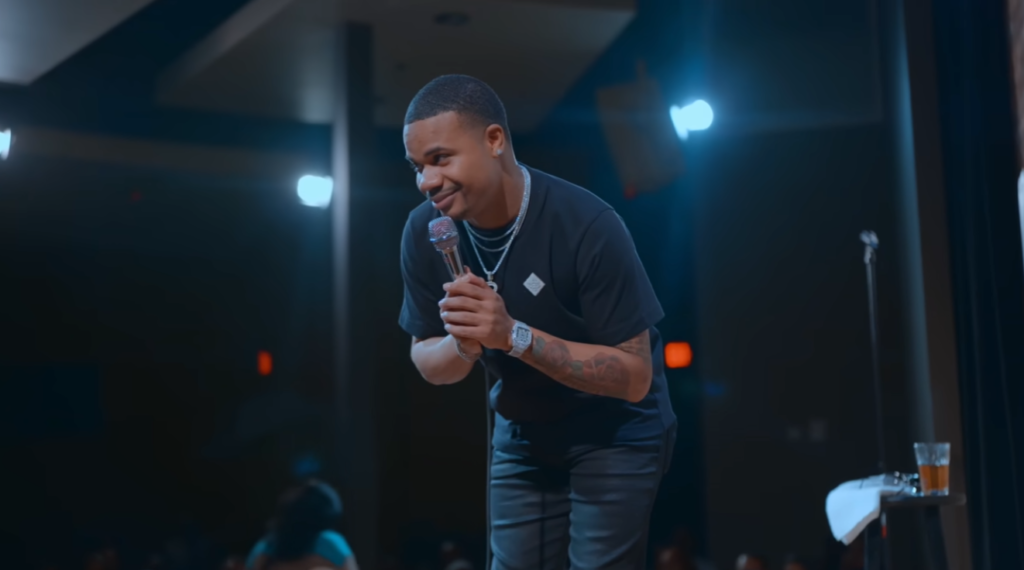
EVER WONDERED WHY A SINGLE PERSON WITH A MICROPHONE CAN HOLD A ROOM OF THOUSANDS SPELLBOUND? THE STORY OF AMERICAN STAND-UP ISN’T JUST ABOUT JOKES—IT’S THE RAW, UNCENSORED CHRONICLE OF MODERN AMERICAN CULTURE.
Have you ever caught yourself binge-watching a 60-minute comedy special late at night, laughing until your stomach aches, and wondering how this unique art form even started? Today, stand-up comedy is a multi-million dollar global empire dominated by streaming giants. Yet, its roots lie in smoky 19th-century theater halls, underground jazz clubs, and risky cultural rebellions.
In this deep dive, we’ll take you on a journey through the evolution of American stand-up comedy—from its humble origins in Vaudeville to the golden age of streaming—and reveal how a simple microphone became the ultimate weapon of free speech.
1. The Vaudeville Era: Where Modern Comedy Was Born
Before Netflix, HBO, or even television, American entertainment was dominated by Vaudeville in the late 19th and early 20th centuries. Vaudeville was a fast-paced variety show featuring a mix of acrobats, singers, magicians, and theatrical skits.
To keep audiences engaged between act changes, individual performers called “monologists” would step in front of the curtain. Armed with nothing but quick wit and rapid-fire observational humor, these performers laid the groundwork for modern stand-up comedy.
- Key characteristics of Vaudeville comedy:
- Clean, family-friendly slapstick jokes.
- Fast-paced delivery to hold short attention spans.
- Heavy reliance on physical humor and musical props.
Source: YouTube (Clips & Footage)
2. The Mid-Century Shift: From Punchlines to Truth-Telling
By the 1950s and 1960s, comic routines shifted dramatically. Comedians stopped telling setup-punchline jokes about “my mother-in-law” and started speaking unfiltered truths about politics, race, and society.
The Pioneers of Real Talk
Icons like Lenny Bruce, George Carlin, and Richard Pryor transformed stand-up into an art form of social critique:
- Lenny Bruce: Pushed the boundaries of free speech, often facing arrest on stage for using forbidden language.
- George Carlin: Famous for his legendary “Seven Words You Can Never Say on Television” routine, which challenged censorship all the way to the Supreme Court.
- Richard Pryor: Brought unprecedented honesty about the Black experience in America, blending vulnerable storytelling with raw humor.
3. The 1980s Comedy Boom: The Rise of the Comedy Club
The 1980s marked the commercial explosion of stand-up comedy in America. Venues like The Improv, The Comedy Store, and Catch a Rising Star became legendary proving grounds for aspiring talent.
During this decade, stand-up migrated from dark clubs straight into arena stadiums and Hollywood blockbusters. Stars like Eddie Murphy, Robin Williams, and Jerry Seinfeld proved that stand-up comedians could become global pop-culture icons.
Vaudeville Intermitten Acts ➔ Underground Political Clubs ➔ Arena Tour Blockbusters4. The Streaming Era: How Netflix Changed the Game Forever
Fast forward to the 21st century, and the way we consume comedy has completely transformed. Streaming platforms—most notably Netflix—have turned local stand-up specials into global cultural events overnight.
Today, comedians no longer need traditional network executives to build a massive fanbase. With podcasts, YouTube, and special releases on streaming sites, creators can connect directly with millions of fans worldwide.
Why Stand-Up Still Matters Today
- Raw Authenticity: In an age of heavily edited content, live stand-up feels genuinely human and spontaneous.
- Cultural Reflection: Comedy acts as a mirror, helping society process complex modern issues through laughter.
- Universal Connection: Shared laughter remains one of the fastest ways to bring diverse groups of people together.
Final Thoughts: The Unstoppable Evolution of American Comedy
From the dusty stages of Vaudeville to the high-definition screens of modern streaming platforms, American stand-up comedy has proven to be incredibly resilient. As long as humans need a laugh and a place to speak the truth, the art form of one person, one stage, and one microphone will continue to thrive.
What is your all-time favorite stand-up comedy special? Drop a comment below and let us know who makes you laugh the hardest!